Glycation (non-enzymatic glycosylation) is a natural process in the body. It is the non-enzymatic bonding of sugars such as glucose or fructose to a protein, lipid or nucleic acid molecule. As a result, Advanced Glycation End-Products (AGEs) are created. Those products are glycotoxins, indeed. Affect all the body’s proteins and their function. Thus, collagen and elastin are also affected.
According to researches that have been carried out, the process of glycation is one of the main causes of skin aging.
Several factors contribute to the process of glycation
Sugar consumption. Eating sugar in not beneficial for your health. It does also affect your skin. You may use the most expensive beauty products, if you consume sugar, you will see the side effects on your skin and body.
Diet high in sugar accelerates this process.
High carbohydrates intake does the same.
Oxidative stress contributes to the AGEs production and accumulation. It is an imbalance of free radicals and antioxidants in the human’s body that causes cell damage.
Smoking also leads to the formation of AGEs
Alcohol consumption. Many alcoholic beverages contain sugar.
Cooking at high-temperatures such as fried or grilled foods. Those foods contain high levels of AGEs.
UV rays, over-exposure to the sun can speed up the glycation process.
Environmental pollution does the same.
Chronic Inflammation caused by bad eating habits, environmental pollution and anxiety.
Aging. Human body can eliminate AGEs. However, as we age, this ability significantly decreases.
Side effects of glycation
Fine lines and wrinkles . Glycation negatively affects collagen and elastin. This leads to skin laxity.
Dullness of the skin. Skin loses its natural radiance and gets an uneven tone.
Compromised skin barrier. Skin becomes dry and more sensitive. Dermatological issues may appear.
Skin inflammation with conditions such as eczema, acne and rosacea
Premature aging. The skin ages, the body ages.
How to fight against glycation
Avoid sugar as much as you can. Preferably don’t consume at all.
Reduce the consumption of carbohydrates especially the refined ones.
Eliminate processed foods from your diet.
Include in your dietary regimen foods that contain antioxidants, minerals and vitamins. Whole grain foods are preferable.
Protect your skin with sunscreen. You should avoid spending excessive hours under the sun and especially without reapplying your sunscreen (for face and body). My post about sunscreens https://www.christiannak.com/?p=1069
Moisturize your skin well, either internally or externally. Moisturizing and sunscreen are the first steps of your fight against early aging. This is my related post https://www.christiannak.com/?p=452
Exfoliate gently and rationally. https://www.christiannak.com/?p=107
Include antioxidants in your skincare. If you want to know more about the antioxidants, you can have a look at my related post https://www.christiannak.com/?p=146
Try to control your stress. I know, it’s hard, but maybe you need to change your way of thinking and review your reactions to a difficult situation or to other people.
Regular exercise stimulates circulation and at the same time helps relieve stress and anxiety. However, excess exercise can cause more stress. Be mindful and don’t overdo.
To sum up, the human body can eliminate the AGEs. However, our lifestyle doesn’t give the body the time to accomplish the elimination process. Consequently, an accumulation occurs and can cause damage to our health and skin.
We can’t stop or reverse the glycation process but we can avoid to accelerate it by making minor changes to our diet and lifestyle.
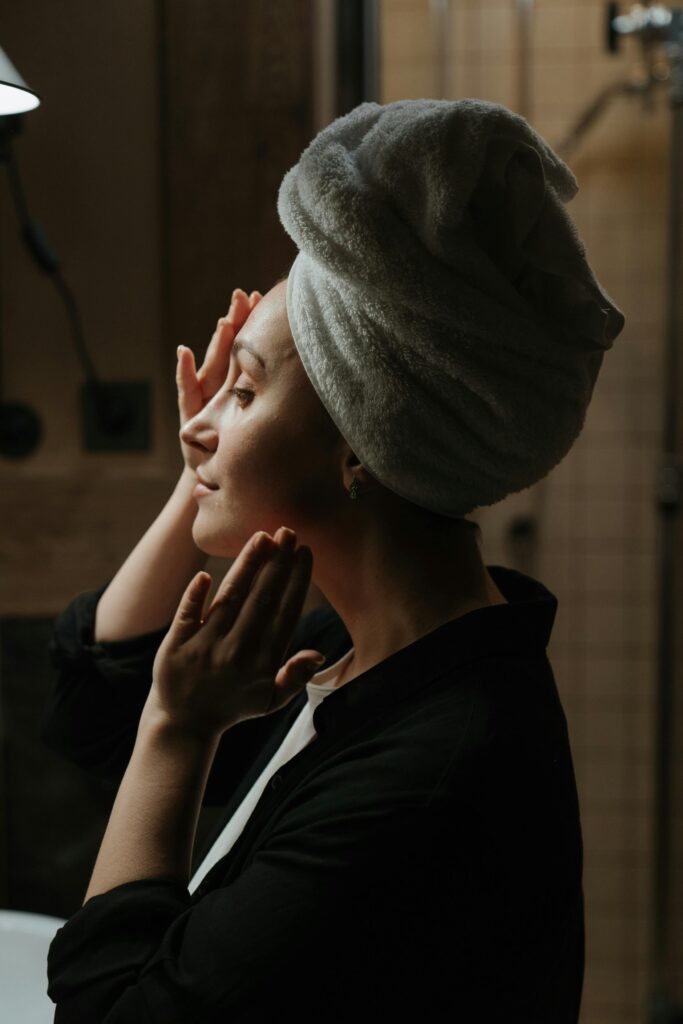
Special thanks to pexels.com for the free photos download as well as to the creator of this specific photo.
One Reply to “HOW GLYCATION AFFECTS SKIN & HOW TO PROTECT IT”